The Captivating Elegance of Metal
Decorative metalwork still elevates design, bringing luxe 1920s-style sophistication to architecture and interiors, says Elizabeth Fazzare
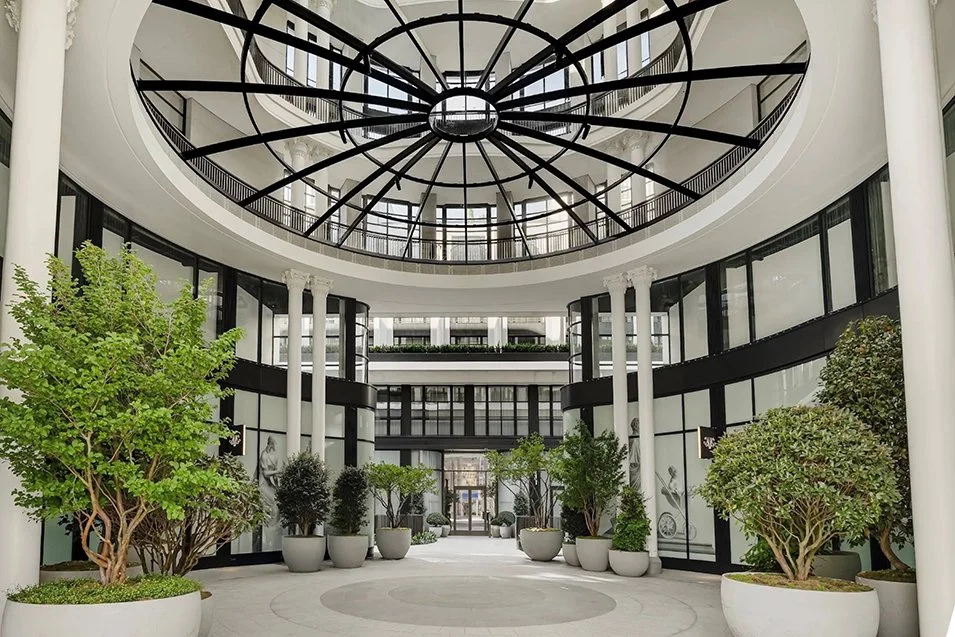
London, U.K. | United Kingdom Sotheby’s International Realty
A century ago, Art Deco was born. More than 16 million designers, design aficionados and curious visitors from around the world flocked to Paris’s “Exposition Internationale des Arts Décoratifs et Industriels Modernes,” where the style was first showcased in architecture, furnishings and all manner of decorative arts.
Chief among these was metalwork, which rendered the nature- and geometry-inspired motifs of the era for the homes of the wealthy and the facades of urban life. From grilles, screens and fireguards to elevators, doors and entrance halls, modernity announced itself—in metal.
“In the art deco period, decorative metalwork connoted luxury,” says Ada de Wit, the Ellen S. and Bruce V. Mavec curator of decorative arts at the Cleveland Museum of Art. This sense of luxe was conveyed, she says, through “high-quality craftsmanship; modern, sophisticated design; and the use of expensive materials, such as brass, chrome, in some cases silver and gold plating; and novel alloys like monel.”
An exhibition exploring Cleveland’s place in this design history, “Rose Iron Works and Art Deco,” opens at the museum this July, a chance to revisit what might otherwise be labelled a lost art or an anachronism. “Now, decorative metalwork is not that common,” says de Wit, “so including it in architecture and interiors is often considered a ‘statement.’” But for some architects and designers, it has never lost its sheen.
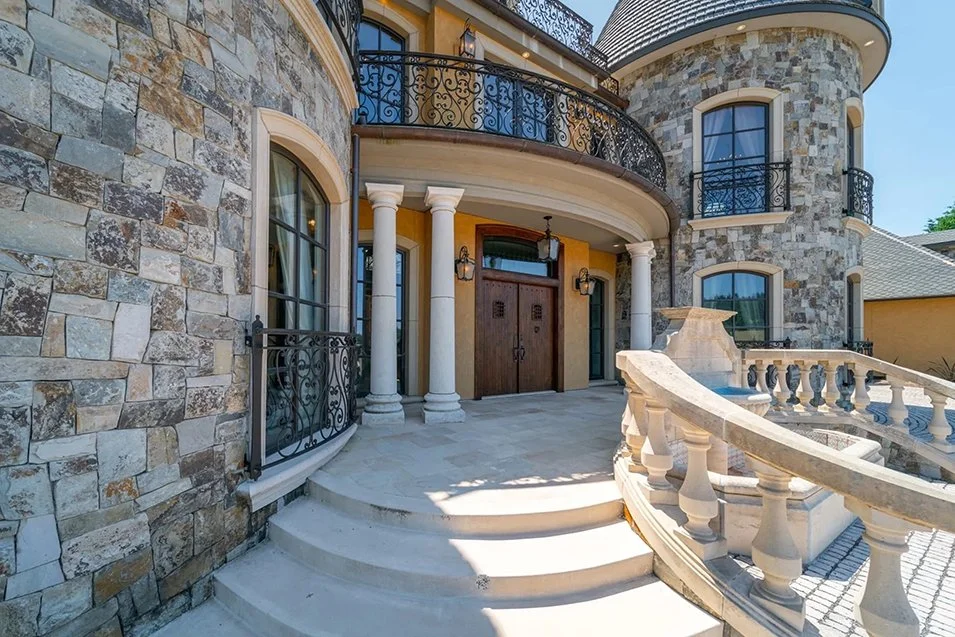
Cascade Hasson Sotheby’s International Realty
“Metalwork today ranges from the French artist Ingrid Donat’s exquisite, tactile patterns based on tribal tattoos to finely finished geometric gates by the American firm Horus Bronze,” explains Peter Pennoyer, a New York City-based architect who regularly integrates custom metal detailing and decoration into the residences he designs. “These are two examples of master metalwork that denote a commitment by architects to elevate the design of a house to the level of a ‘gesamtkunstwerk,’ or total work of art.”
For a home in Hunting Valley, Ohio, Pennoyer did just that. Taking inspiration from the Czech cubist period (1912 to 1914), a lesser-known predecessor of Art Deco, Pennoyer employs faceted architecture, inside and out. He also designed bespoke Cubism-informed metal hardware and commissioned Donat to create a parchment-and-bronze study, among other metalwork details. Reed Hilderbrand’s landscaping includes an impressive sculpture garden with works by artists including Sol LeWitt, Richard Serra, Ai Weiwei and Andy Goldsworthy. The house and grounds will eventually be left to the Cleveland Museum of Art.
That Cleveland is home to some of the U.S.’s best examples of decorative ironwork is largely thanks to the subject of the museum’s forthcoming show. Rose Iron Works was founded in 1904 by Hungarian ornamental blacksmith Martin Rose who collaborated with fellow Hungarian-born designer Paul Fehér to create pieces for mansions on Euclid Avenue’s Millionaire’s Row, in Cleveland Heights and Shaker Heights, and facades of public buildings across the city including the landmark 52-story Terminal Tower.
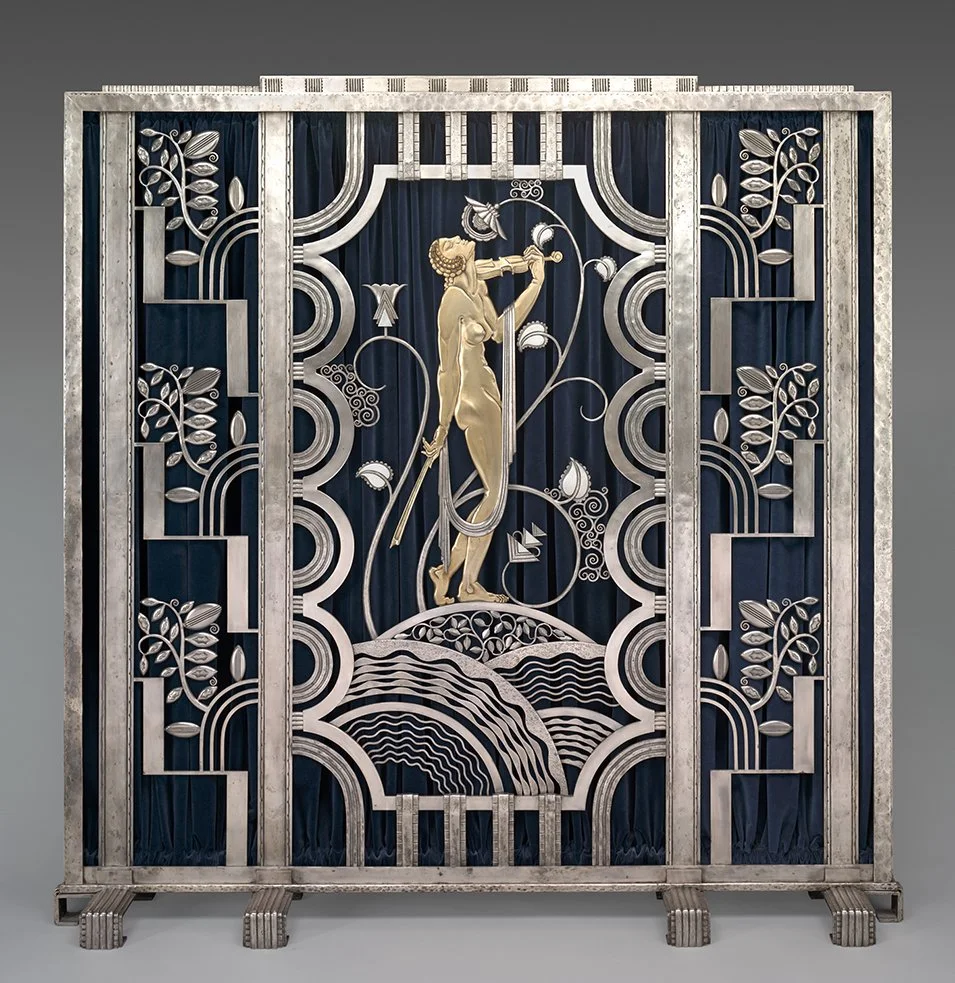
“Muse with Violin” screen, 1930. Designed by Paul Fehér and made by Rose Iron Works. The Cleveland Museum of Art, Leonard C. Hanna Jr. Fund © Rose Iron Works Collections
“Early 20th-century local taste embraced Martin Rose’s European training,” explains Bob Rose, current company president and grandson of the founder. At that time, this meant traditional historicism, which imitated past artistic styles. Gothic scrolls, acanthus leaves and flowery baroque metal designs were most popular, Rose notes, until Fehér’s appointment in 1929 brought a “more open, less dense, deco motif” to Cleveland. Today, a renewed client interest in metalwork sees “a diverse mix of all,” he says.
In New York City, Art Deco icons like the Chrysler and Empire State buildings loom large on the skyline. However, newer structures are also pulling from this history. On the Upper East Side, recent residential towers by Pennoyer, Robert A. M. Stern Architects and INC Architecture & Design are all heavily influenced by the period.
Downtown, a recent major office-to-residential conversion of an art deco tower originally by Ralph Walker also offers the opportunity to live among historic and new examples of the intricate style. In west London, a similar architectural transformation—department store to apartment building—by Foster + Partners at The Whiteley embraces the building’s 1920s Art Deco details. All these projects feature decorative metalwork in their facades and interiors.
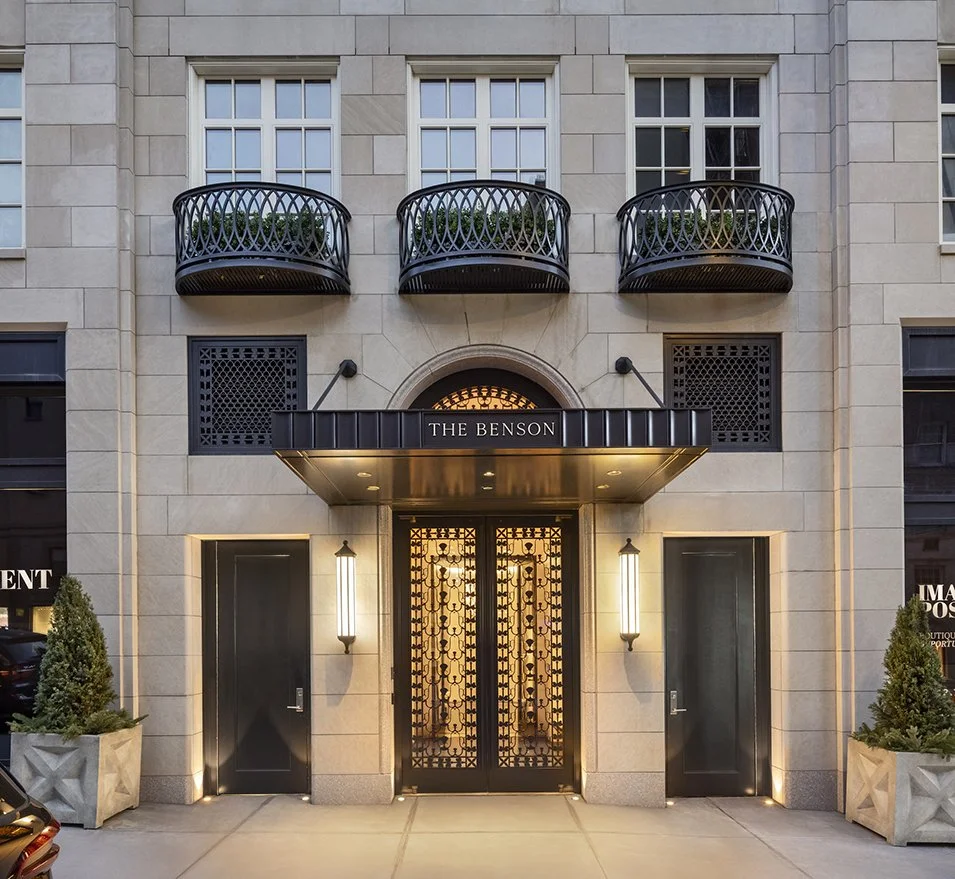
The Benson on Manhattan’s Upper East Side, by Peter Pennoyer Architects
“Because we want ornament to enliven our designs, artisanship is essential,” explains Peter Pennoyer. “To make metalwork in our projects resonate authenticity, we always start with research. Finding and understanding inspirational sources equips us to take our designs beyond the expected. They then become integral parts of a new vision rather than mere quotations from history.”
Respecting the past without replicating it wholesale is crucial to assuring these elements feel fresh in any residential application. “Approaching metalwork as functional art allows for the creation of lighting, hearth items or structural features, such as stairways as statement pieces,” Rose says. “The design of each can be complementary to other furnishings or architectural details.”
Embracing the current interior design trend toward mixed metals can also add visual interest that’s rooted in the 21st century “rather than viewing metalwork as simply black wrought iron,” says Rose, who adds: “Regardless of style, incorporating carefully handcrafted metalwork provides a sense of timeliness and permanence.”
This article was originally published in Sotheby’s International Realty Extraordinary Living Blog in July 2025