The Return of Character: Why More Luxury Buyers Are Choosing Older Homes Over New Builds
For years, sleek new builds have dominated Toronto’s luxury market—glass boxes with clean lines, minimalist kitchens, and the latest smart home tech. But lately, a quiet shift is happening. More and more high-end buyers are turning their attention back to older homes—ones with history, soul, and craftsmanship you can’t replicate overnight.
Here’s why character-rich homes are having a moment—and why they might just be the future of luxury living.
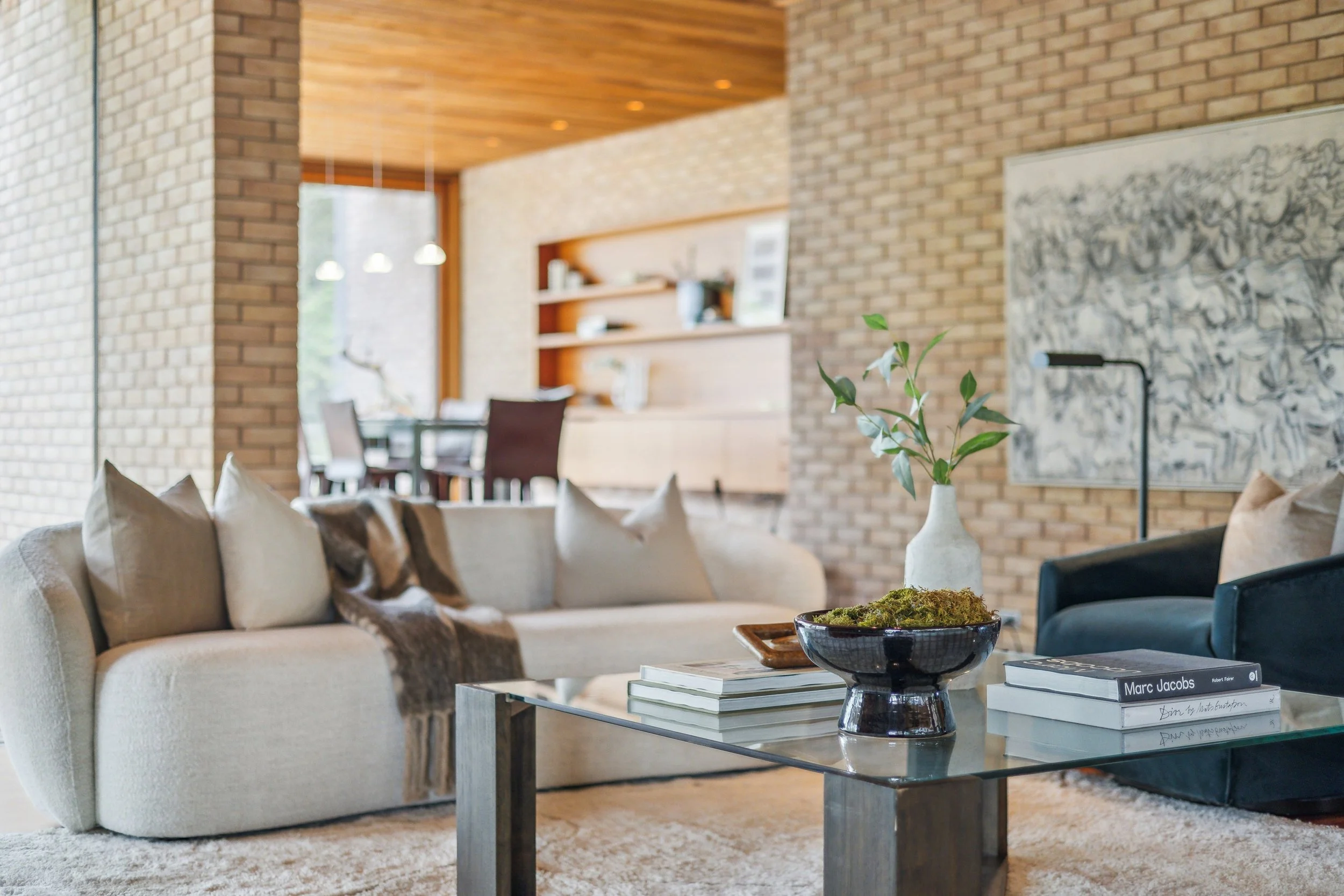
194 Blue Heron Ridge, Cambridge Ontario
Charm That Can’t Be Duplicated
A soaring two-storey foyer might be impressive, but it’s no match for an original 1920s archway or hand-carved banister. Character homes—whether Edwardian, Tudor, Mid-Century, or even Victorian—offer craftsmanship from an era when homes were built with permanence in mind.
From leaded-glass windows to coffered ceilings, these aren’t details added in—they’re built in. And discerning buyers are noticing.
Established Neighborhoods, Leafy Streets, and Real Community
Older homes are often found in Toronto’s most established enclaves: Rosedale, The Annex, Lawrence Park, and Moore Park, to name a few. These neighborhoods offer more than prestige—they offer connection. Mature trees, walkable streets, and that intangible feeling of “neighbourhood” that newer developments sometimes lack.
You're not just buying a house. You're buying into a way of living.
The Canvas for Thoughtful Renovation
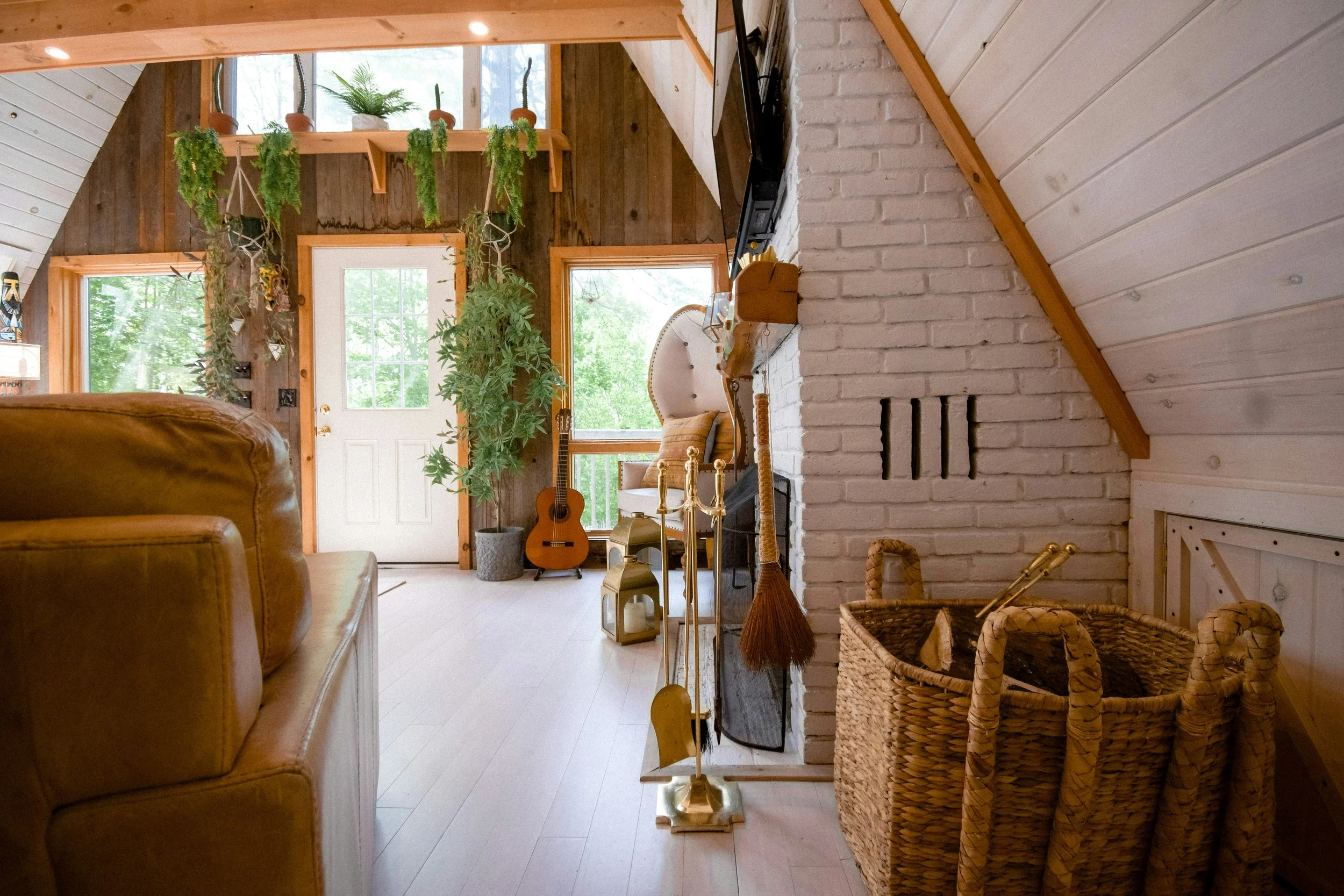
Character homes are attracting a new generation of design-savvy buyers who aren’t afraid of a little work. In fact, they want the project. With the right architect or designer, older homes become the canvas for something truly bespoke—where heritage and modernity meet.
Want heated floors in a century-old home? It’s possible. Want a chef’s kitchen in a Gothic Revival? Go for it. The result? A one-of-a-kind home with heart and soul.
Larger Lots, Better Bones
Older homes tend to sit on wider lots and offer deeper setbacks than newer construction. That extra space is worth its weight in gold—whether you’re adding a coach house, building a pool, or simply enjoying the garden.
And let’s not forget the construction. Double-brick walls. Thick plaster. Real wood framing. These homes were built to last, and many have already stood the test of time.
Sustainability with Substance
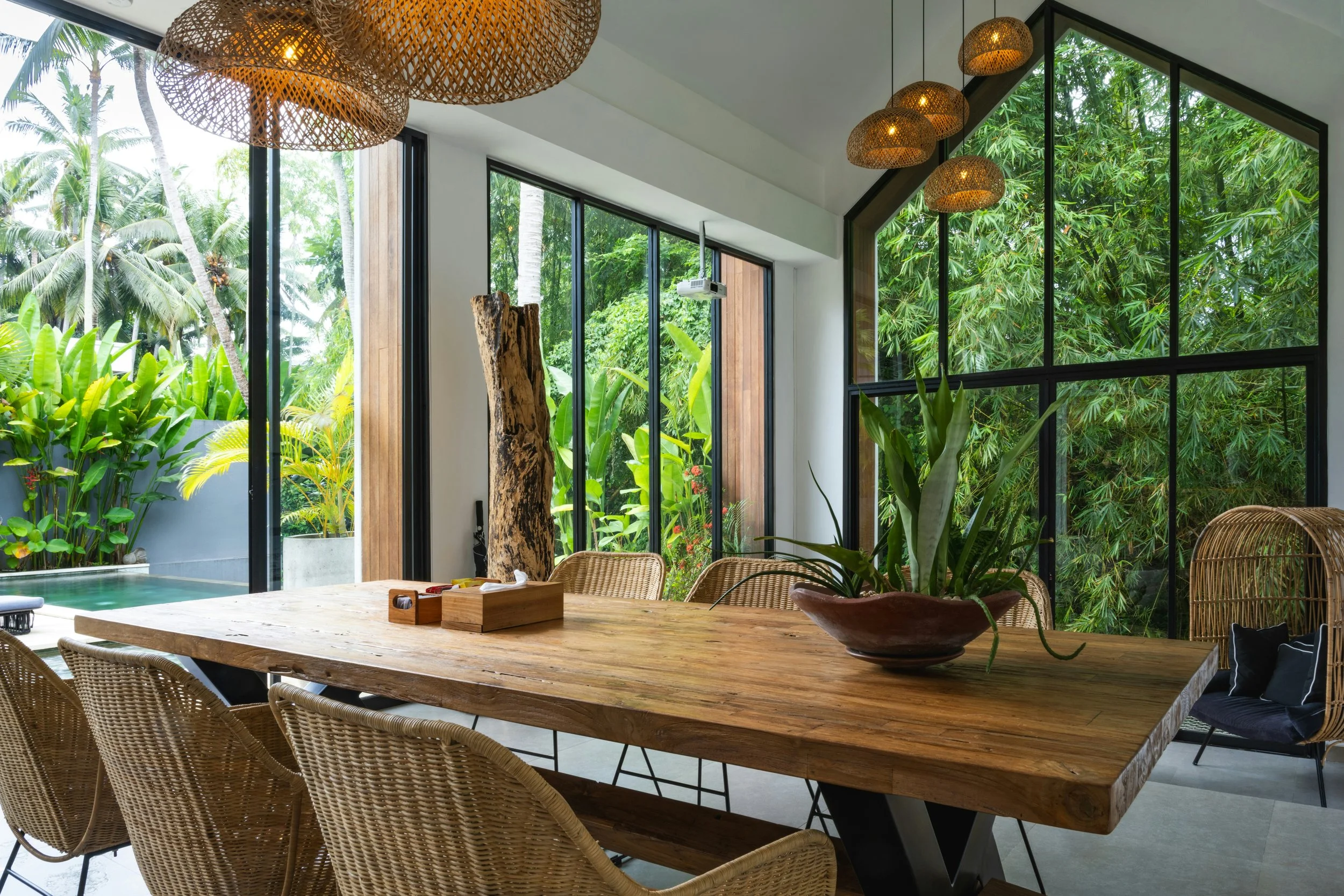
In an age of environmental consciousness, reusing and retrofitting existing homes is increasingly seen as a more sustainable path than demolishing and rebuilding. Heritage preservation, adaptive reuse, and restoration are no longer niche—they’re becoming part of luxury buyers’ value systems.
Choosing a character home isn’t just stylish. It’s intentional.
So, What Should Buyers Watch For?
Older homes are full of personality, but they do come with quirks. When touring, keep an eye out for:
Electrical & Plumbing Upgrades: Has the wiring been modernized? Are there any signs of knob-and-tube?
Foundation and Roof Condition: A solid inspection is key.
Heritage Designation: Not a deal-breaker—many buyers love the protection—but it can affect renovations.
Room Flow & Layout: Some older homes benefit from reworking the floorplan to suit today’s lifestyles.
In a market saturated with new construction, a character home offers something different: depth. Identity. A sense of story. Buyers aren’t just investing in square footage—they’re investing in legacy.
So, if you find yourself drawn to a home with slightly creaky stairs and a front porch that feels like it’s always been there… trust that instinct. Some things, it turns out, only get better with age.
Looking for a character-rich home in Toronto or the surrounding areas? Let us help you find one with timeless appeal and modern potential. Reach out to start the search.